
More NIH: Director Rebuts Accusations of Grant Cancellations and Clinical-trial Disruptions
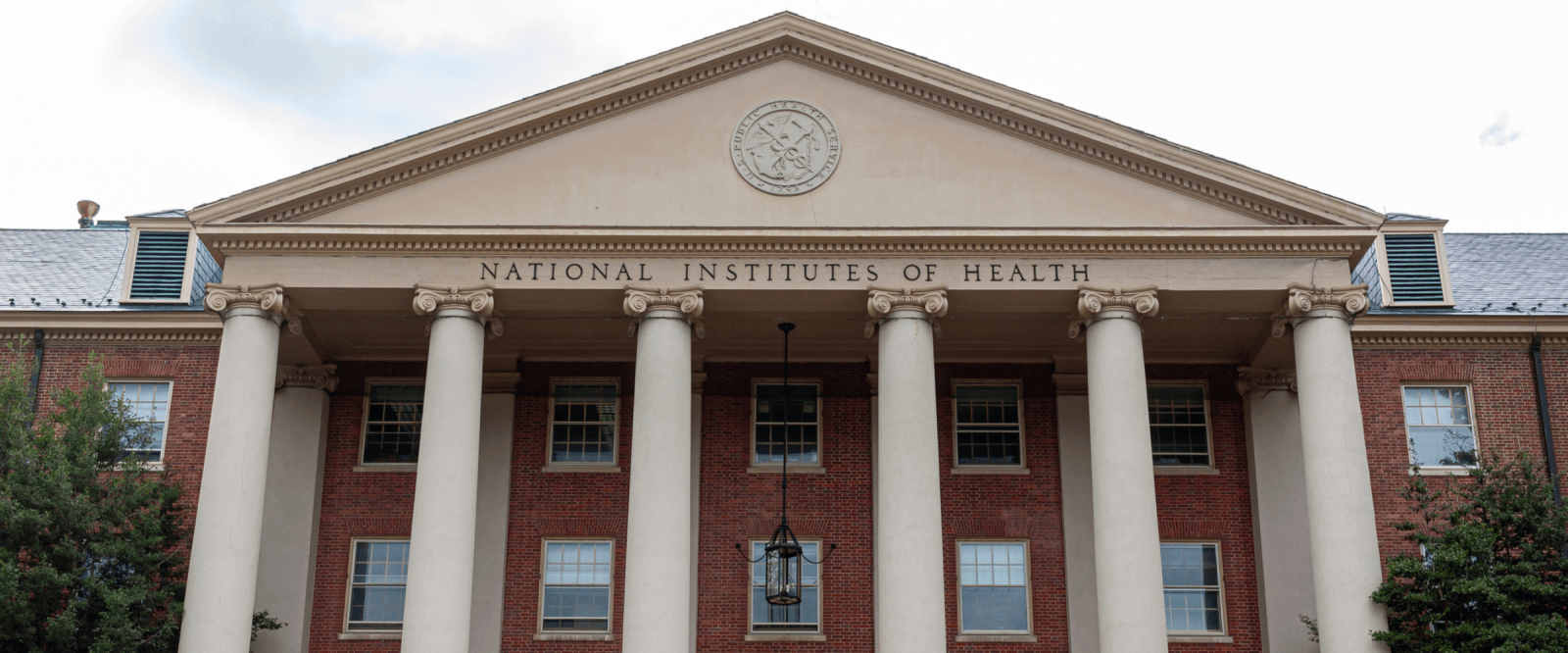
National Institutes of Health (NIH) Director Dr. Jayanta “Jay” Bhattacharya faced a pointed round of bipartisan scrutiny at a Senate Health, Education, Labor, and Pensions (HELP) Committee hearing on February 3, 2026, where senators pressed him on whether the administration’s NIH overhaul has frozen/terminated grants, disrupted clinical trials, and narrowed research priorities.
The Flashpoint: “How Many Trials and Grants Were Actually Ended?”
Democrats, led by Sen. Patty Murray (D-WA), framed the last year as widespread disruption—citing figures she said reflected thousands of NIH grants frozen or terminated and hundreds of active clinical trials halted, including cancer trials.
Bhattacharya pushed back hard on the scale of those claims. In Murray’s published account of the exchange, he argued NIH ensured continuity of care for participants and said the agency’s internal assessment suggested “maybe only a dozen clinical trials were terminated,” characterizing many other actions as renegotiations or restorations rather than permanent stoppages.
Pressed on whether NIH would avoid similar actions going forward, Bhattacharya declined to offer an absolute guarantee - saying it’s “hard to predict the future” - but promised NIH would focus clinical-trial efforts on “advancing health” rather than “the ideological.”
While Democrats focused on patient impact and research continuity, Sen. Susan Collins (R-ME) warned that deep proposed budget cuts and the “clawing back or termination” of grants could undermine U.S. leadership and discourage early-career scientists - especially at smaller institutions.
Bhattacharya responded that supporting early-career researchers is a priority and argued the U.S. remains the best place for biomedical careers, emphasizing NIH’s global role in public funding.
Collins also raised concerns that broad efforts to “do away with diversity” could have spillover effects that worsen the historic neglect of women’s health research and obscure disparities in outcomes. Bhattacharya said NIH has “not stepped back” from women’s health or minority health improvement, while reframing “diversity” as a less important endpoint than improving outcomes for everyone.
The hearing also produced one of Bhattacharya’s most unequivocal soundbites - on vaccines. According to contemporaneous reporting, he said he was “absolutely convinced” the measles outbreak response is best addressed by vaccinating children, and he pointed to the erosion of public trust as a central challenge for health institutions.
Why This Matters for the Research Community
Bhattacharya’s rebuttal wasn’t simply semantic. If NIH leadership maintains that only a small number of trials were truly terminated - and that many disruptions were temporary or reversible - that sets up a coming fight over definitions, documentation, and oversight: what counts as “terminated” versus “paused,” “modified,” or “restored,” and how patient continuity is assured when funding is in flux.
For universities, startups, and medical research hubs watching from the outside, the takeaway is that Congress is signaling sustained bipartisan concern - even as the NIH director insists the most severe claims overstate the real-world damage.
